
Fixed Fire Hose Reel
Fire safety is a critical aspect of modern building design and emergency preparedness. Every commercial, industrial, and residential facility should have reliable firefighting equipment to minimize the risk of fire-related damage. One of the most effective first-response firefighting devices is the Fixed Fire Hose Reel.
A fixed fire hose reel provides a continuous supply of water, enabling trained occupants to control small fires before they spread. Due to its simple design, durability, and ease of use, it is widely installed in offices, shopping malls, factories, warehouses, hospitals, schools, and high-rise buildings.
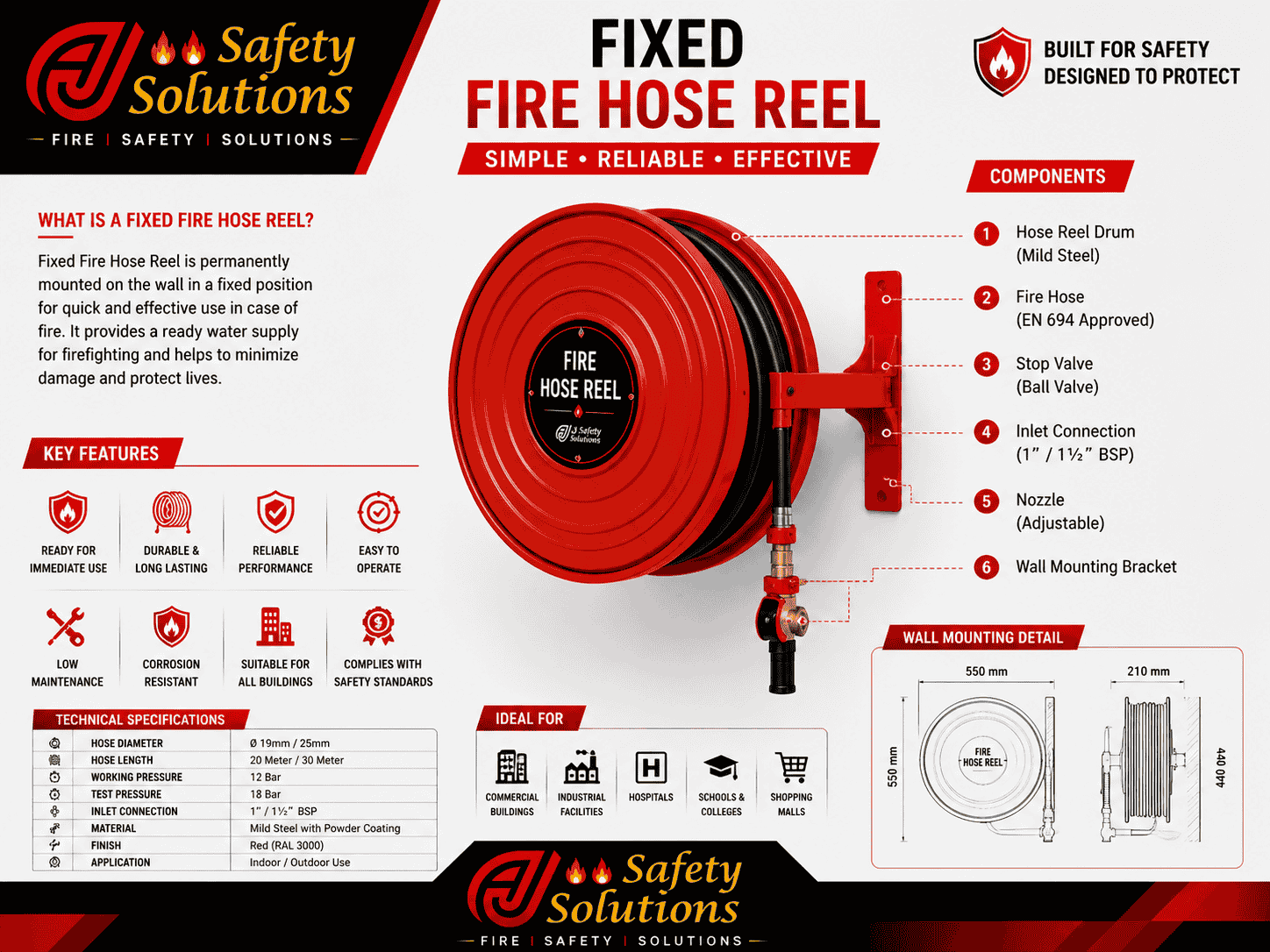
What is a Fixed Fire Hose Reel?
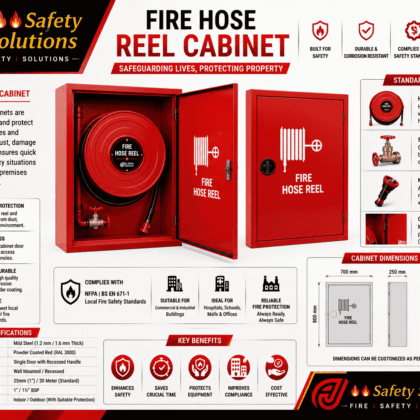
A Fixed Fire Hose Reel is a permanently mounted firefighting device connected directly to a building’s water supply. Unlike swing-type hose reels, a fixed hose reel remains stationary and does not rotate. The hose is wound around a fixed drum and can be pulled directly from the reel during an emergency.
Its primary purpose is to provide an immediate water source for controlling Class A fires, which involve ordinary combustible materials such as:
- Wood
- Paper
- Cardboard
- Fabric
- Plastic
- Furniture
Because the hose reel is permanently connected to the water supply, it can deliver a continuous stream of water until the fire is extinguished or emergency responders arrive.
Main Components of a Fixed Fire Hose Reel
A standard fixed fire hose reel consists of several important components that work together to ensure efficient firefighting.
Hose Reel Drum
The steel drum stores the hose neatly and allows it to be deployed quickly.
Fire Hose
Usually manufactured from reinforced rubber or PVC, the hose is designed to withstand high water pressure.
Spray Nozzle
The nozzle allows users to select different water patterns, including jet and spray modes.
Control Valve
The valve controls the water flow from the building’s water supply to the hose.
Mounting Bracket
A strong wall-mounted bracket securely holds the hose reel in place.
Water Supply Connection
The reel is permanently connected to the building’s fire protection water system.
How Does a Fixed Fire Hose Reel Work?
The operation of a fixed fire hose reel is simple and efficient.
- Open the hose reel cabinet.
- Pull the required length of hose toward the fire.
- Open the water control valve.
- Select the appropriate nozzle setting.
- Aim the water at the base of the flames.
- Continue spraying until the fire is under control.
Proper training helps users operate the equipment safely and effectively during emergencies.
Advantages of a Fixed Fire Hose Reel
Continuous Water Supply
Unlike portable fire extinguishers, a fixed hose reel provides an uninterrupted flow of water.
Easy to Operate
Its straightforward design allows trained occupants to respond quickly to fire emergencies.
Durable Construction
Fixed hose reels are built from corrosion-resistant materials, ensuring long service life with minimal maintenance.
Cost-Effective Fire Protection
They provide reliable fire protection while reducing the need for frequent replacement compared to portable extinguishers.
Immediate Emergency Response
Since they are permanently installed throughout a building, users can access them quickly when needed.
Common Applications
Fixed fire hose reels are commonly installed in:
- Office buildings
- Shopping malls
- Factories
- Manufacturing plants
- Warehouses
- Hospitals
- Educational institutions
- Hotels
- Residential apartments
- Commercial complexes
- Parking structures
They are particularly suitable for locations where the protected area can be reached without requiring the reel to rotate.
Maintenance Requirements
Regular inspection and maintenance are essential to ensure the hose reel functions properly during emergencies.
Recommended maintenance includes:
- Inspect the hose for cracks or damage.
- Test water pressure periodically.
- Ensure the nozzle operates correctly.
- Check the control valve for leaks.
- Verify that the hose rewinds properly.
- Keep the cabinet clean and easily accessible.
- Conduct routine inspections according to local fire safety regulations.
Proper maintenance extends the equipment’s lifespan and ensures reliable performance.
Safety Guidelines
To maximize safety when using a fixed fire hose reel:
- Use only on Class A fires.
- Do not use water on electrical equipment unless the power has been isolated.
- Keep access to the hose reel unobstructed.
- Train building occupants in proper operation.
- Perform routine inspections and maintenance.
- Report any damaged equipment immediately.
Difference Between Fixed and Swing Type Fire Hose Reels
| Feature | Fixed Fire Hose Reel | Swing Type Fire Hose Reel |
|---|---|---|
| Movement | Stationary | Rotates on a swing arm |
| Coverage | Best for open, direct access areas | Better for corners and confined spaces |
| Installation | Simpler | Requires swing-arm mechanism |
| Accessibility | Fixed direction | Greater flexibility |
| Cost | Generally lower | Usually slightly higher |
Importance in Fire Protection Systems
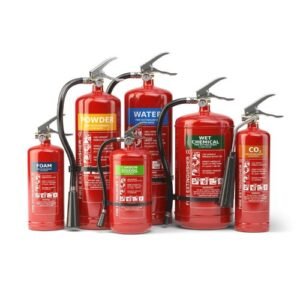
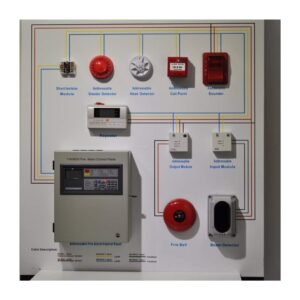
A fixed fire hose reel is an important component of an overall fire protection system. It allows trained occupants to take immediate action before firefighters arrive, helping to reduce property damage and improve occupant safety. When combined with fire extinguishers, fire alarms, sprinklers, and emergency evacuation plans, it contributes significantly to a building’s fire preparedness.
Conclusion
A Fixed Fire Hose Reel is a dependable and practical firefighting solution for commercial, industrial, and residential buildings. Its permanent connection to the water supply, ease of operation, and robust construction make it an essential first-response tool for controlling Class A fires. Regular maintenance, proper installation, and user training are key to ensuring that the system performs effectively during emergencies. Investing in a quality fixed fire hose reel enhances fire safety, protects valuable assets, and supports compliance with modern fire protection standards.


Reviews
There are no reviews yet.