EPDM Fire Hose for Fire Water System Coordination
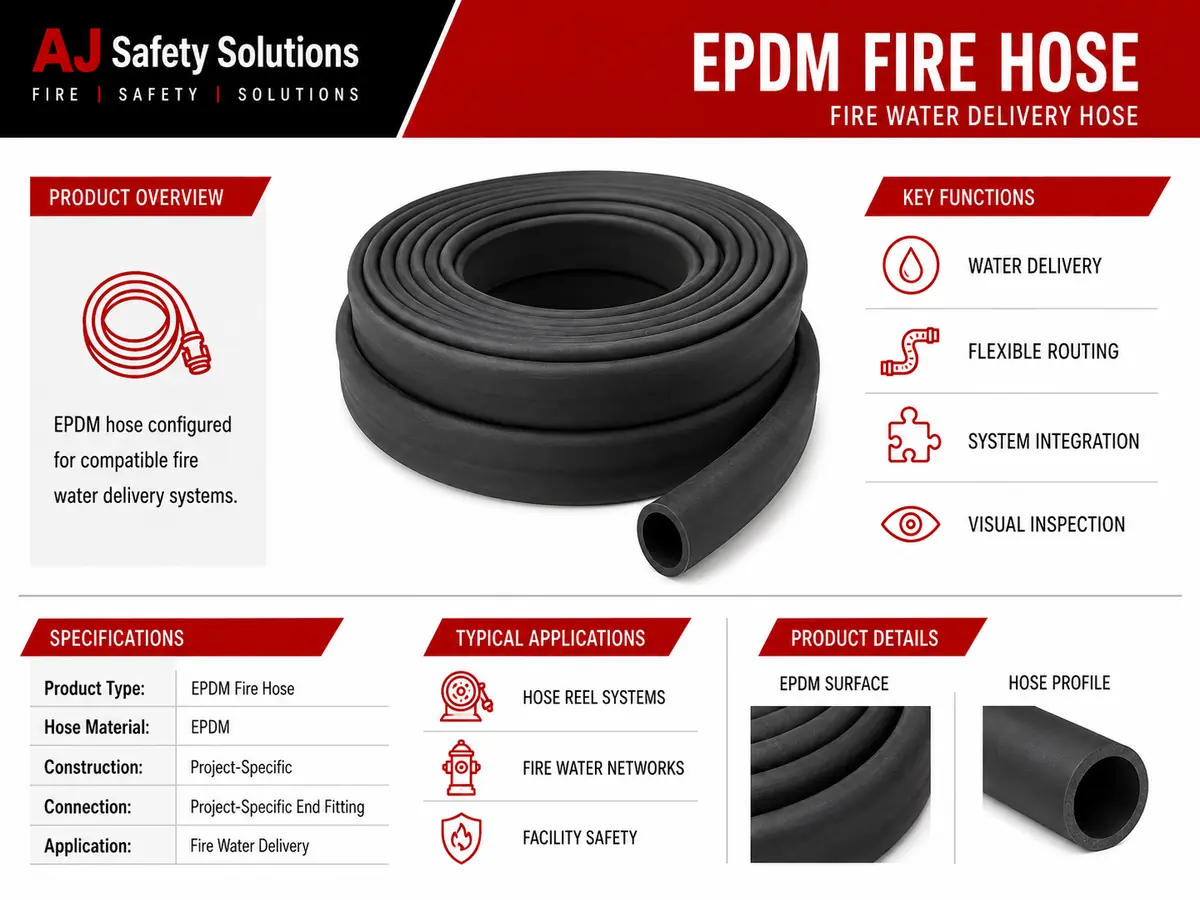
EPDM Fire Hose uses EPDM as the identified hose material and forms a flexible water-delivery path in a compatible fire protection assembly. The material name helps define the product category, while the complete hose construction, reinforcement and service capability depend on the actual model. Product selection should therefore be based on verified technical data rather than general material assumptions.
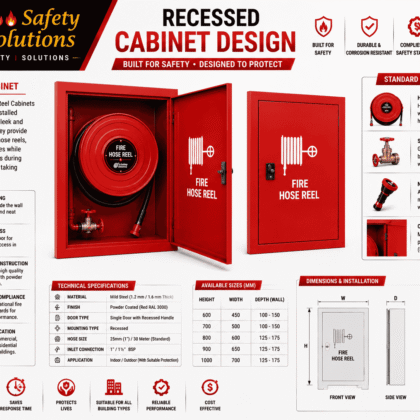
Coordinate the requirement with AJ Safety Solutions, review products in the fire hose category, and plan lifecycle checks using the related hose reel testing and maintenance information.
Flexible Hose Construction
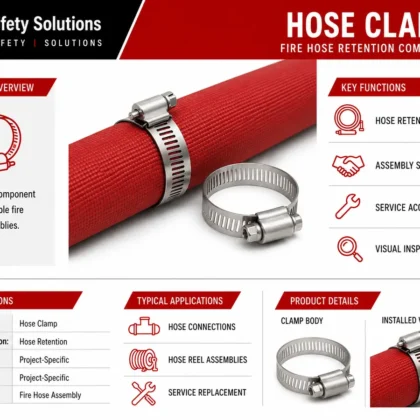
The hose wall carries water between the approved inlet and outlet components while allowing the assembly to be routed, stored or wound as intended. Model-specific layers may provide the required structure, but no reinforcement form or material grade is assigned here. End fittings must match the hose preparation and the connected equipment without imposing damaging stress on the hose body.
Functional Considerations
- EPDM is the identified hose material for this product family.
- Flexible form supports routing in compatible fire water equipment.
- Project-specific connection allows coordination with the approved hose assembly.
- Exposed hose and end areas provide clear points for routine visual checks.
Typical Applications
EPDM fire hose may be coordinated with hose reels, fire water networks, cabinet installations, industrial fire points and building safety equipment when the selected model matches the system requirements. Suitability for weather, sunlight, heat, chemicals, abrasion or continuous exposure must be confirmed from the supplied technical documentation.
Specification and Ordering Notes
Verify nominal size, hose length, diameter tolerances, layer construction, reinforcement, pressure ratings, bend radius, temperature range, cover finish, connection type, coupling size, marking, approval and included accessories before ordering. No fixed pressure, temperature capability, environmental resistance, certification or supplied fitting is claimed in this generic description.
Inspection and Standards Context
Inspect the hose for cracking, cuts, abrasion, flattening, leakage, connection damage and restricted routing under the approved maintenance programme. Refer to NFPA 14 for relevant standpipe and hose system requirements and NFPA 25 for inspection, testing and maintenance guidance. Final acceptance depends on adopted codes, approved drawings, manufacturer instructions and the authority having jurisdiction.





Reviews
There are no reviews yet.